One year after the ESC
HWZ graduate on the key lessons for brands and sponsors
One year after the Eurovision Song Contest 2025 in Basel, attention is once again turning to this major event. For Julia Gubser, a graduate of the Bachelor in Business Communications and former media partnership manager at the ESC, the contest became the starting point for her bachelor’s thesis. Building on her experience within the project team, she explored the impact of large-scale events and the influence of event sponsorship on brand perception and consumer behaviour among Generation Z. Just in time for the Eurovision Song Contest 2026, she is providing valuable insights for brands and sponsors.
40 years of HWZ · May 13, 2026
This article is part of the content series marking the 40th anniversary of HWZ. Through this series, we aim to showcase the diversity of stories from our university and highlight the topics and individuals that have shaped, and continue to shape, HWZ.
Last year, Julia Gubser, a graduate of the Bachelor in Business Communications HWZ, provided fascinating insights into her work as media partnership manager and account manager for sponsorship in connection with the Eurovision Song Contest 2025. At that time, the focus was on operational implementation: coordinating partners, managing the dynamics of a major international project, and working closely with a wide range of stakeholders.

A year later, it is clear that the experiences gained from the ESC have not only shaped their subsequent career steps, but also provide concrete insights for practical application today.
One year after the ESC 2025: personal development & next steps
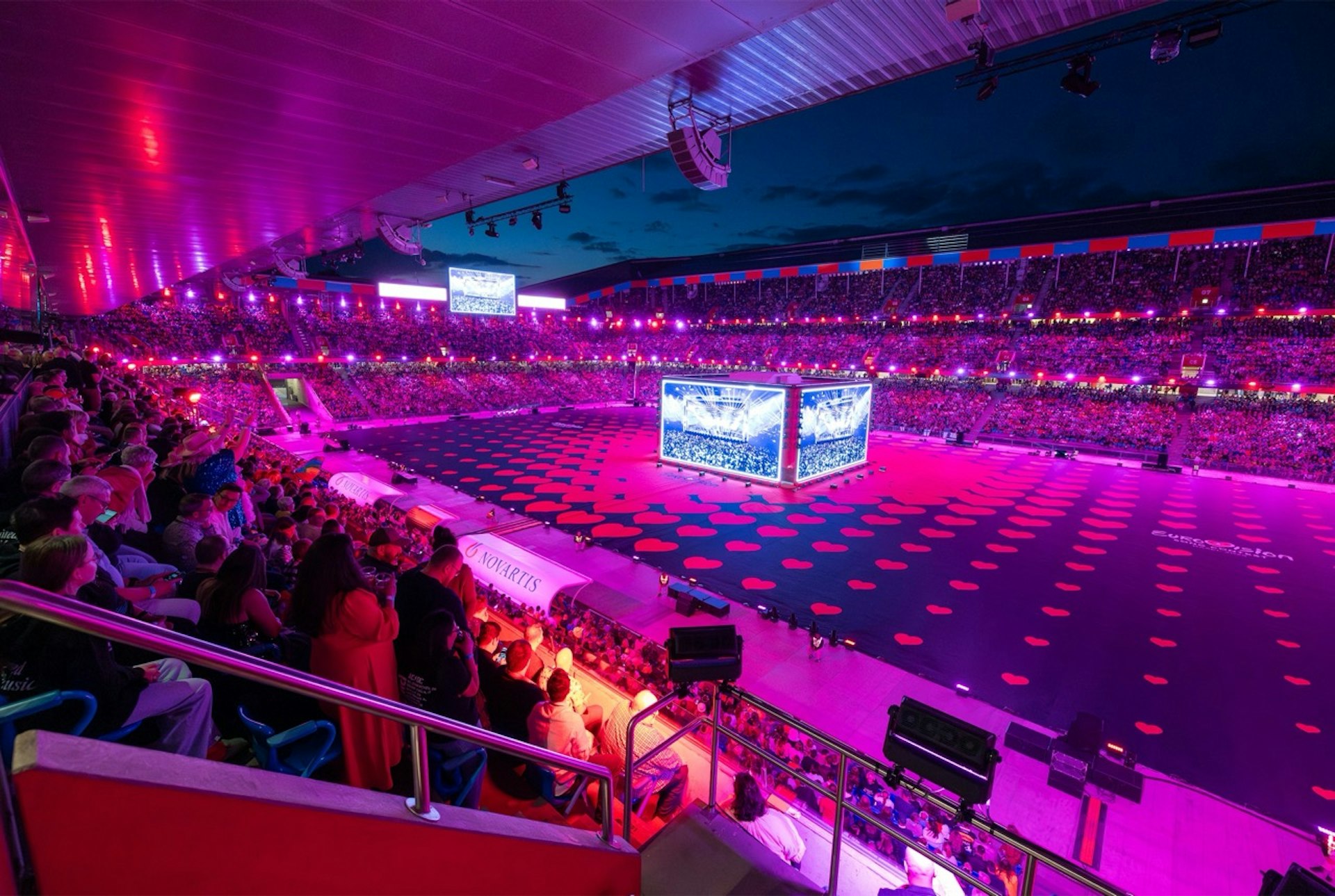
It has been almost a year since the Eurovision Song Contest 2025 took place in Basel. Julia, what is the first thing that comes to mind when you look back on that time?
How intense this period was. During these nine months, I experienced and learned an incredible amount. It was a phase marked by a fast pace, challenges, and a wide range of emotions: from great euphoria to demanding moments that pushed us, but also helped us to develop further. Every day brought a new surprise, and it was precisely this that made the time so special.
You have completed the ESC in one of your LinkedIn posts described as a «once-in-a-lifetime experience». What impact does it still have today?
What endures above all is the sense of having achieved something truly significant together. This team spirit and collective motivation to reach a goal of global importance: not only to deliver the world’s largest music show successfully, but to take it to a new level.
How did things progress for you immediately after the ESC, both professionally and personally?
Immediately after the event, the focus shifted to follow-up activities: together with partners and sponsors, we conducted debriefings and recorded the key learnings, which we then passed on to Austria as the next host country. At the same time, there was an emotional farewell to the team, as the dissolution of the organisational structure following the event brought this collaboration to an abrupt end. Afterwards, I briefly returned to my role at SRF before taking some time off for holidays and recovery. This break was important in order to process the past months and to regain energy.
SRG received multiple awards for the Eurovision Song Contest 2025: In your opinion, which elements were decisive for this success?
Each party involved in this project has not only made its own contribution, but has also actively sought new and innovative approaches. Our aim was clear: rather than simply relying on tried-and-tested methods, we deliberately set out to introduce new ideas and add value to the project at every stage. Despite limited experience in this specific constellation, we succeeded in developing innovative solutions together and making the most of the opportunities available.
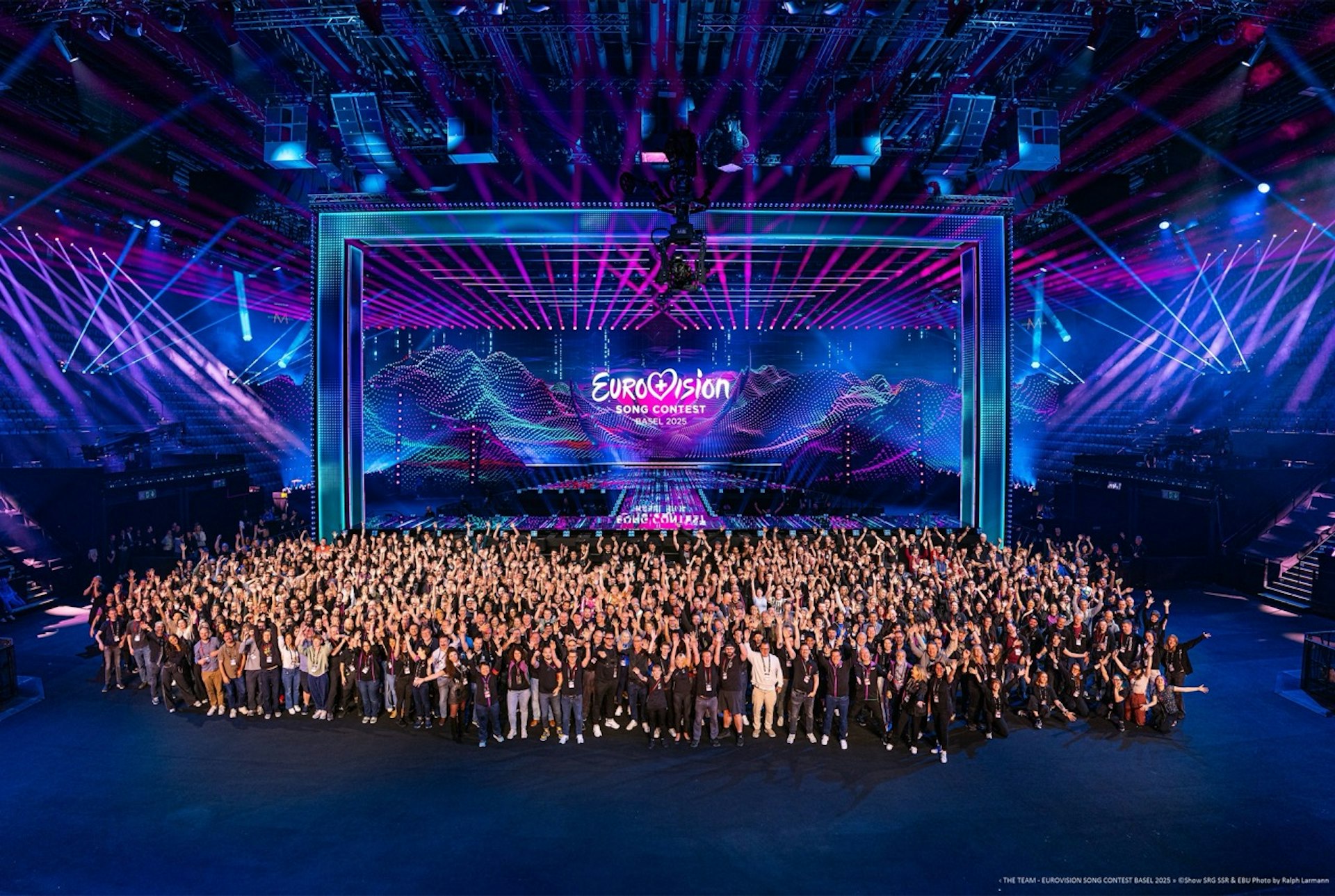
Practical insights from the bachelor’s thesis for professional application
Julia, you have your bachelor's thesis dedicated to the influence of event sponsorship on brand perception and the consumer behaviour of Generation Z. Why is this topic currently so relevant?
The topic combines my personal interest with clear practical relevance. Markets are more competitive than ever, as all consumers, especially Generation Z, are exposed to a multitude of stimuli. At the same time, there is still only limited well-founded knowledge about how sponsorship specifically influences the perceptions and behaviour of this generation. It was precisely this gap that I wanted to address.
Julia Gubser’s bachelor’s thesis took advantage of a unique situation involving three national and one international major event in Switzerland to investigate the impact on brand perception and the consumption behaviour of sponsors among the Generation Z target group. The action-oriented recommendations she developed—based directly on the results of her surveys and expert interviews—are clear, comprehensible, and highly practical, making them easy to implement and offering significant value for practice.
You conducted an analysis using the examples of the Eurovision Song Contest, the UEFA Women's Euro, the Swiss Federal Gymnastics Festival, and the Swiss Federal Wrestling and Alpine Festival 2025 in Switzerland. What was your most surprising finding?
How little actually remains in people’s minds, and how selectively content is perceived. Visibility alone is not enough. What matters is activating at the right moment, on the right platforms, and with the right message in order to gain any attention at all. This generation consumes content primarily when it is relevant to them, personally affects them, reflects their lifestyle, or follows a trend—or, ideally, sets one. The size or reach of an event alone does not guarantee success.

Where were the most interesting differences between the individual major events?
The most striking differences were primarily found in the audience, the atmosphere, and the cultural context of each event. An internationally oriented occasion such as the Eurovision Song Contest attracts a highly diverse, global audience that is strongly influenced by pop culture and current trends. As a result, attention is equally fast-paced and dynamic.
In contrast, traditional large-scale events such as a Federal Gymnastics or Wrestling Festival are more deeply rooted in local values and traditions. Here, the audience is often more homogeneous, but identification with the event tends to be deeper and more enduring.
These differences have an impact on sponsorship: while international events focus more on staging, reach and current trends, national occasions place greater emphasis on tradition, authenticity and proximity.
What can other major events specifically learn from this? What should companies absolutely keep in mind if they want to reach Generation Z through sponsorship?
Generation Z is exposed to a constant stream of stimuli, which is changing the way communication works. Attention is captured through clear and relevant messages delivered at the right moment. Content must be understandable within just a few seconds and establish a direct connection to the lived reality of the target audience—something with which they can identify. Event sponsorship also involves a degree of trendsetting. Those seeking attention must develop an instinct for the world in which their target audience currently moves and which topics are relevant to them.
More behind-the-scenes insights into the 2025 Eurovision Song Contest?
In the HWZ podcast by stefanundstefan®, Edi Estermann, Head of Communications for the Eurovision Song Contest 2025, discusses the importance of communication for the ESC organisation and for Switzerland, and offers insights behind the scenes of the event in Basel.

More information about the Bachelor in Business Communications at HWZ
The part-time bachelor’s degree focuses on communication and marketing. This business programme opens up a wide range of attractive career paths and areas of responsibility in companies, public administration, or organisations.