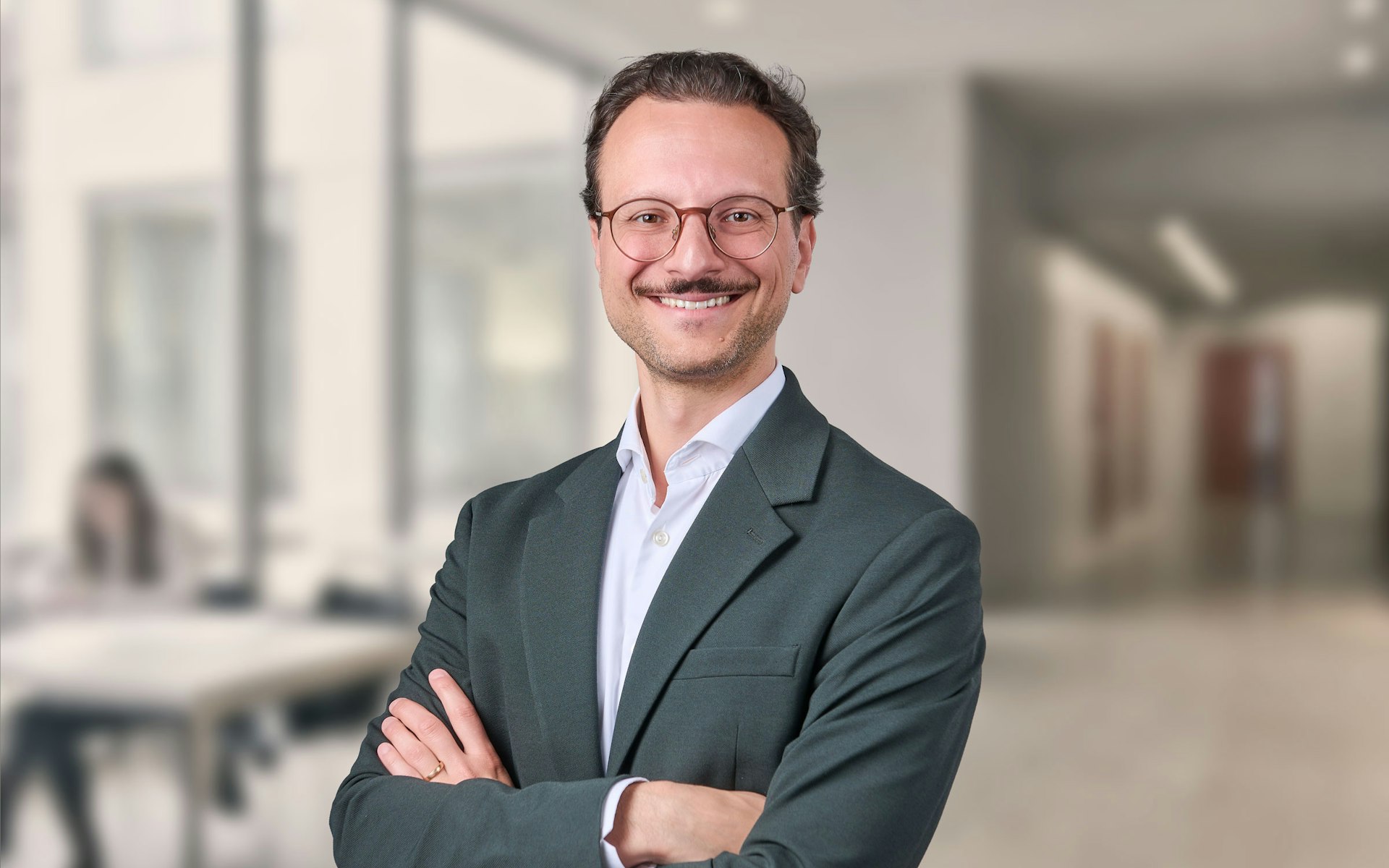
EMBA graduate Robert den Otter on his career break
A pause can also be a form of leadership
Careers rarely follow a straight path. Sometimes, it is the moments of pause that drive the next step forward. After years in leadership roles, completing an Executive MBA in Digital Leadership, delivering a TEDx talk, and making a conscious decision to take a career break, Robert den Otter faced a question familiar to many: what comes next? In this interview, Rob discusses why reflection and taking a break are underrated leadership skills.
Testimonial · June 2, 2026
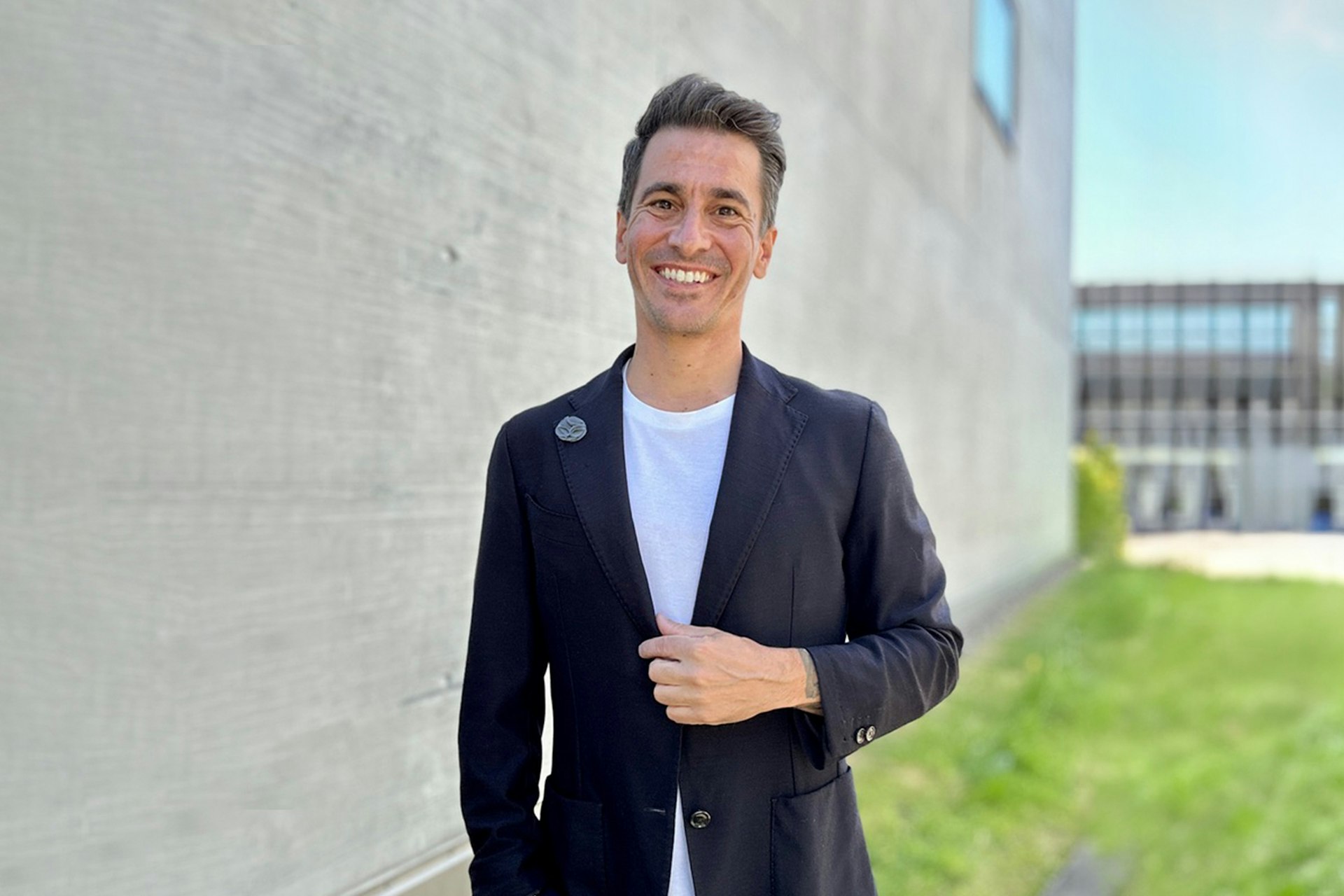
After 25 years working across brands, editorial teams, consultancies and healthtech, Robert den Otter made a conscious decision to take a break and pause for reflection. Alongside his role as an executive, he is completing the Executive MBA Digital Leadership at HWZ, gave a TEDx talk on the question of «the code we run on» and took time for a professional reorientation. Today, he brings together his experience and insights in his own consultancy, «den Otter.Advisory.»
In conversation, Rob explains why he chose to pursue an EMBA in the midst of his professional career, how continuing education has shaped him far beyond subject-specific knowledge, and why, in his view, modern leadership begins where we start to question our routines and stop feeling the need to constantly rush ahead.
«Much has intensified in recent years»
Rob, in a your LinkedIn posts you write: «In recent years, many things have become more condensed.» What exactly do you mean by that?
By this, I mean several levels at once. Technologically, the world is moving ever faster: AI, new forms of work, agile methods, new expectations of leadership. At the same time, during the EMBA, I encountered many leadership models, ways of thinking, and inspiring leadership personalities.
It was enriching, but also sobering. I realised just how much I actually do not know. For me, this was an important insight: in a complex world, it is not about having an immediate answer to everything. It is about asking better questions and looking more closely.
When did you realise that you wanted to question and change something in your professional or personal life?
It was not a single moment, but rather a process. I wanted to see things more clearly and be able to put them into better perspective. At first, I might have said: I want to become a better boss. But in fact, it went deeper than that. I wanted to become a better Rob – as a leader, but also as a father and partner. For me, these things are connected. The way I lead, how I respond, how I listen or deal with pressure does not simply stop at the office door.
Why pursue an EMBA in the midst of your professional career?
You chose to pursue the Executive MBA in Digital Leadership while already established in your professional career. Why was this the right time for you to undertake this further education?
Because I was right in the midst of practical work. I had responsibilities, a team, concrete challenges, and many questions that were not theoretical. That is precisely why I wanted to compare what I had learned directly with my own reality.
In addition, I was driven by great curiosity: I wanted to gain a better understanding of my professional experiences – from a technological, organisational and human perspective. And, most importantly, I would not have taken this step without the support of my wife, Tracey. An EMBA is not just a personal decision, but also a decision for the whole family.
Many people pursue an EMBA to prepare for their next career move. In your case, it seems more like a deliberate process of reflection. Would you describe it that way?
Yes, although I must be honest: at the beginning, I did hope it would also represent a step forward in my career. That was certainly part of my motivation.
Over the course of my studies, however, I came to understand that development should not be focused solely on the next goal. Otherwise, there is a risk of missing the true objective. Instead, I began to ask myself: What is my contribution? Where can I make an impact? Which patterns drive me – and which perhaps no longer do?
For me, the EMBA was less of a career accelerator and more of a space for reflection.
How has your understanding of leadership changed in recent months, and in particular through the EMBA?
I would say: move away from performance, towards presence. Of course, achievement remains important. Companies need to perform, teams need to deliver, and goals must be met.
But for me, leadership does not begin with goals and results. It starts with listening, understanding, and the ability to provide guidance in uncertain situations.
This is also closely linked to my own attitude – and to what truly interests me. My feu sacré lies where communication is not merely packaging, but supports leadership. A good narrative does not arise from more elegant phrasing. It comes from a deeper understanding.
Why do you think leadership today requires more reflection and perhaps also greater courage to pause?
Because you cannot lead others without first knowing yourself. In a fast-paced world, we often react automatically. We deliver, make decisions, communicate – but we rarely pause to ask ourselves: What is actually happening here? And what impact are my actions having? I believe this applies equally to organisations and brands. Especially in times of transformation, it is not enough simply to communicate more loudly. We must become clearer in our communication. Clarity does not come from responding more quickly, but from achieving a deeper understanding.
Why sometimes only a break brings clarity
You deliberately took time between your professional chapters. Why was that important to you?
It was not a break in the sense of «doing nothing». It was more a conscious detachment. I did not want to jump straight into the next chapter on instinct alone. I wanted to consider: where does my passion lie? Where can I create value? And what are people or organisations actually willing to pay for, because it is truly relevant to them? If you move on too quickly, you often carry old patterns with you. I wanted first to understand which direction I should really take.
Would you say that continuing education today can also provide an opportunity to reassess one’s own direction?
Yes, if you are willing to embrace the experience. For me, the EMBA was not only a place to acquire knowledge; it was also an environment in which I was able to get to know myself even better.
You encounter other people, different industries, and new ways of thinking. This challenges your own assumptions. For me, it was therefore not just about learning, but about gaining clarity amid complexity.
Rob den Otter at his TEDx HWZ talk
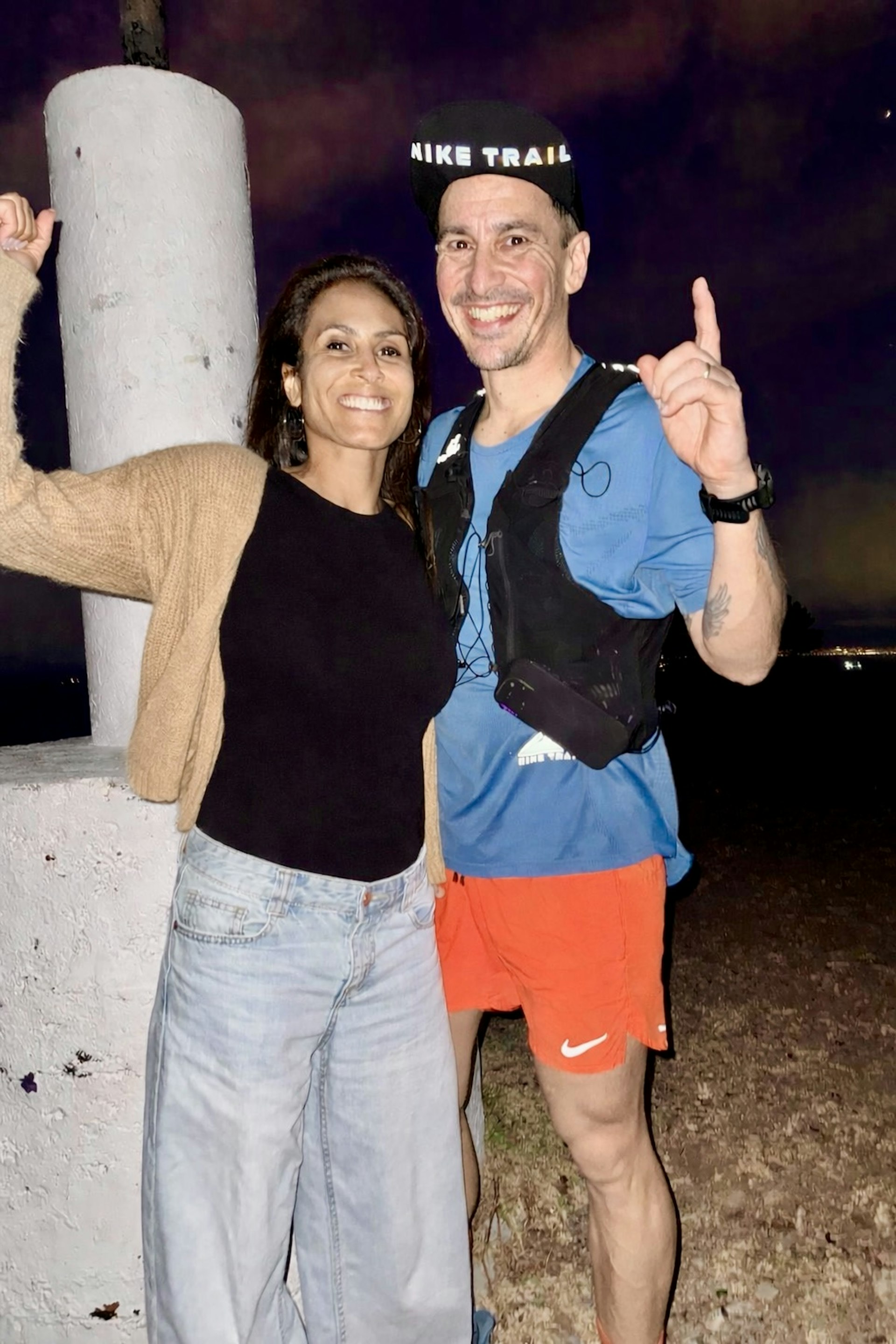
At HWZ, Rob den Otter addressed the topic of leadership in his TEDx HWZ talk on «the code we run on». He reflects on leadership, mindset, and personal development from the perspective of sport and movement. Drawing on his experiences as a trail runner – from the mountains of Switzerland to Devil’s Peak in Cape Town and the 13 Peaks Challenge – he explains how a simple, recurring principle helped him to deal with setbacks, recovery, and disciplined preparation: review and adapt.
From the EMBA to founding my own consultancy, «den Otter.Advisory.»
Today, with your own consultancy «den Otter.Advisory.» you are beginning a new chapter. In this role, you work with leadership teams on narratives, transformation, and positioning. Why was now the right time to start your own business?
Because several factors have come together: my experience, my strengths, my passion, and a genuine need within many organisations. Today, we talk a great deal about transformation, AI, new ways of working, and new business models. But ultimately, it is not about prompts. It is about people. It is about whether leadership teams can organise complexity, develop a shared understanding, and create actionable narratives from it. This is precisely where I come in with den Otter.Advisory: I support individuals and leadership teams in creating clarity amidst complexity – through listening, critical questioning, positioning, and narratives that provide direction.
In conclusion: what advice would you give to people who feel that something needs to change, but are not yet sure in which direction?
Do not force a solution straight away. Change often begins with conversations. With listening. With walking. With coffee or beer. With people you trust.
During our studies, we often said: learning is conversational. I believe change is as well. You do not always have to know immediately where things are heading. But you can start by looking more closely. Change does not begin with the perfect plan, but with taking yourself seriously enough to listen.