HWZ graduate Luc Richner on his start-up
An EMBA degree and a business in the cannabis market?
With Cannavigia, Luc Richner, a graduate of the EMBA Digital Leadership, developed software that brings transparency to the entire cannabis supply chain – from cultivation to sale. What began as a vision for a highly regulated industry was structured and methodically developed during the EMBA Digital Leadership, building trust among future stakeholders. In this interview, Luc explains how his start-up came about and how he has continued to develop it.
Testimonial · August 26, 2025
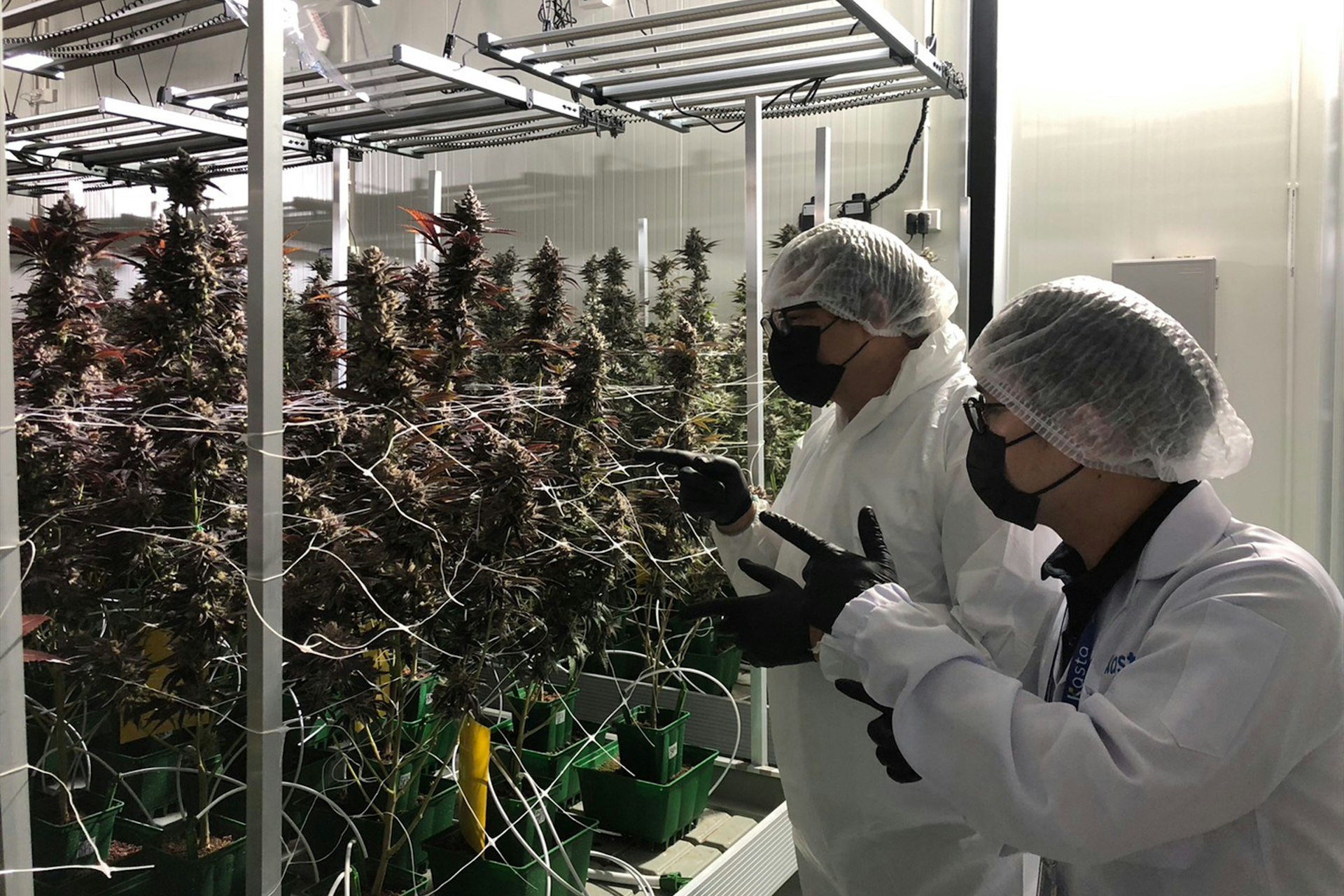
In the cannabis industry, there is a growing need for transparency, trust, and clear regulations. This is precisely where Cannavigia comes in: a software solution that connects producers, traders, and authorities, making the entire supply chain more transparent and traceable. The idea was conceived by Luc Richner, a graduate of the EMBA Digital Leadership, even before he began his studies at HWZ. During the programme, he took the opportunity to develop his business idea methodically, to scrutinise it critically, and at the same time to establish a strong foundation with investors and partners.
Luc, how and when did the idea for Cannavigia come about?
The idea for Cannavigia arose even before I began my EMBA studies. I recognised early on that the cannabis industry—as a highly regulated and rapidly growing sector—urgently requires transparent, traceable, and internationally compatible solutions. I then deliberately used the EMBA to structure the business concept, develop it methodically, and, above all, to build trust with future stakeholders such as investors, partners, and authorities.
What motivated you to become self-employed?
I became independent at an early age. Building something new and taking on responsibility have therefore always felt very natural to me. This is certainly also because the idea of having a boss and working in a corporate environment never motivated me.
In a young sector such as cannabis, there was the opportunity not only to establish a company, but also to help shape an entire industry.
The opportunity to make a real contribution through technology made the decision easy for me.
What role did the EMBA Digital Leadership play in this (content, projects, network, coaching)?
The EMBA provided me with the framework and methods to implement my idea in a structured way. I was able to apply concrete projects directly to Cannavigia – from business model validation to market analyses. Furthermore, the degree played a significant role in building credibility with stakeholders. In terms of content, the exchange with lecturers and the reflection within the network were extremely valuable for critically questioning and further developing the idea.

If your network played a role at the time: How do you still use your HWZ network today to help advance the company?
The network was initially one of my motivations for pursuing the EMBA, but unfortunately, the focus was less on entrepreneurship and more on corporate digitalisation. Nevertheless, I was able to gain a great deal from the network and continue some valuable contacts. There is certainly room for improvement here.
Luc, how would you explain to a layperson in one sentence what Cannavigia does?
Cannavigia is a software solution that ensures transparency and traceability throughout the entire supply chain of cannabis and other highly regulated products – from cultivation to sale.
What makes Cannavigia stand out today? Which problems does it solve?
We combine regulatory requirements with user-friendly software that serves producers, traders and authorities simultaneously.
What sets us apart is that we not only ensure transparency, but also build trust – in an industry where legitimate businesses are often viewed with general suspicion.
In this way, we help producers to work more efficiently and regulators to deploy their limited resources more effectively.
How do you personally define “digital leadership” today?
For me, digital leadership means using technology as an enabler—always in conjunction with people. It is about driving change, enabling new business models, and organising teams so that they can work successfully in a digitally shaped world.
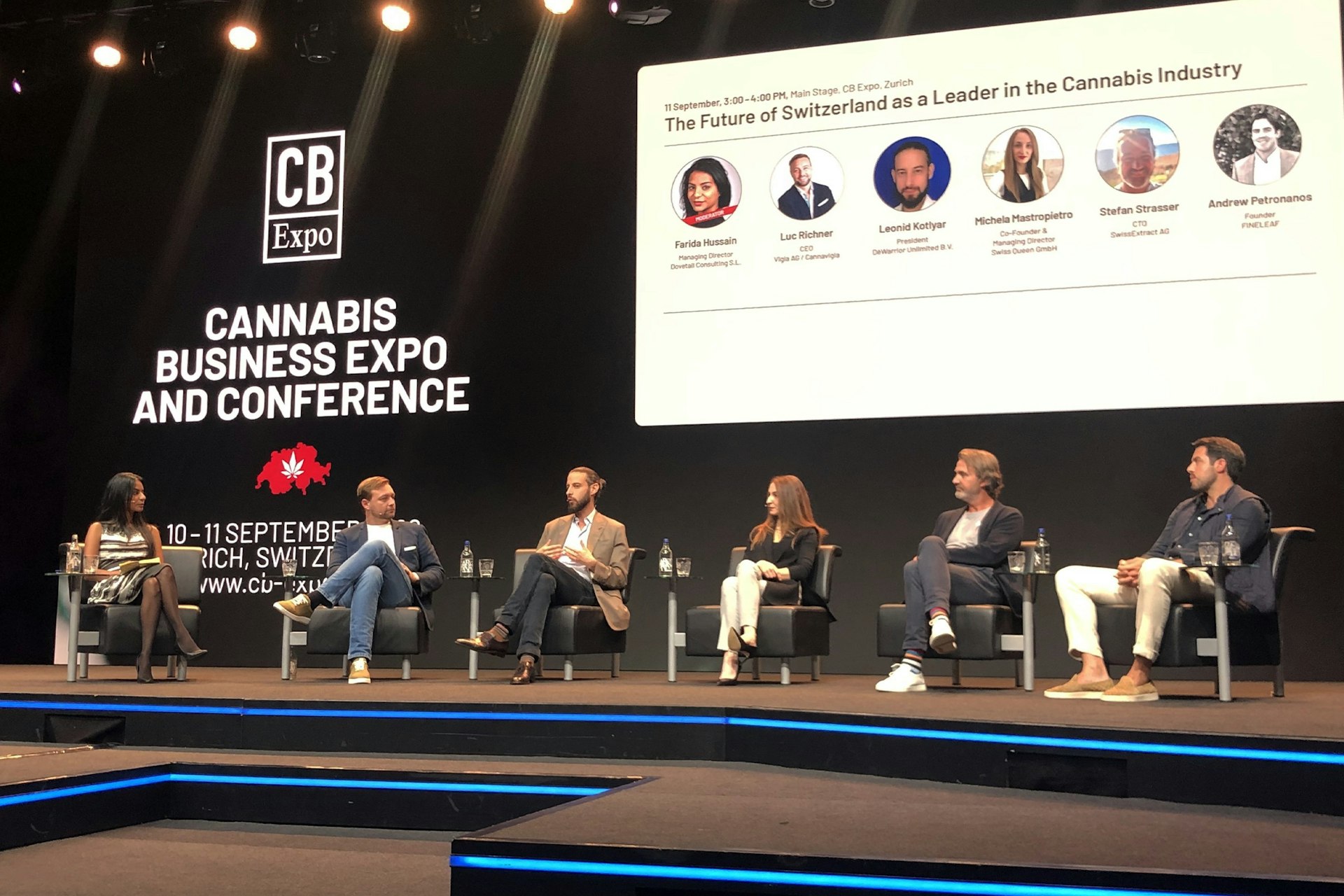
On your website, you mention that you keep everyone motivated and in good spirits – but what does leadership in a start-up really mean? Does this relate to the way you practise your own leadership style?
For me, leadership in a start-up means setting a shared goal, creating a sense of security amid chaos, and at the same time maintaining high motivation within the team.
My leadership style is strongly focused on fostering trust and personal responsibility. Especially in such a dynamic environment, both are essential: clear direction and the freedom to contribute your own ideas.
How do you, as an entrepreneur, remain motivated and innovative in the long term?
I am motivated by the thought that we have the opportunity to help shape an entire industry. For me, innovation arises from curiosity and from ongoing dialogue with a wide range of stakeholders – from regulators and academics to producers. As long as I can see the impact, it is easy for me to stay motivated.
Where do you see the cannabis industry in the next 3 to 5 years?
I expect to see clear professionalisation: fewer grey areas, more international standards, stronger regulation – but also growing trust in legal products. Cannabis is increasingly being integrated into both pharmaceutical and traditional medicine. In this environment, the key factor will be who can best demonstrate transparency and compliance – and this is precisely where we see our role with Cannavigia.