Podcast stefanundstefan
Brand piracy in the digital age: How companies can effectively protect themselves
Counterfeiting now extends far beyond the supposed designer handbag brought back from holiday. Online shops, social media, and artificial intelligence have made brand piracy faster, more sophisticated, and increasingly difficult to control. But why do people buy fakes? What role do influencers and digital sales channels play in this? And how can companies effectively protect themselves? These questions were explored by Stefan Eggenberger and Stefan Vogler in the HWZ live podcast «stefanundstefan», together with Marc Wullschleger, trademark lawyer and president of the organisation STOP PIRACY.
Podcast · September 9, 2026
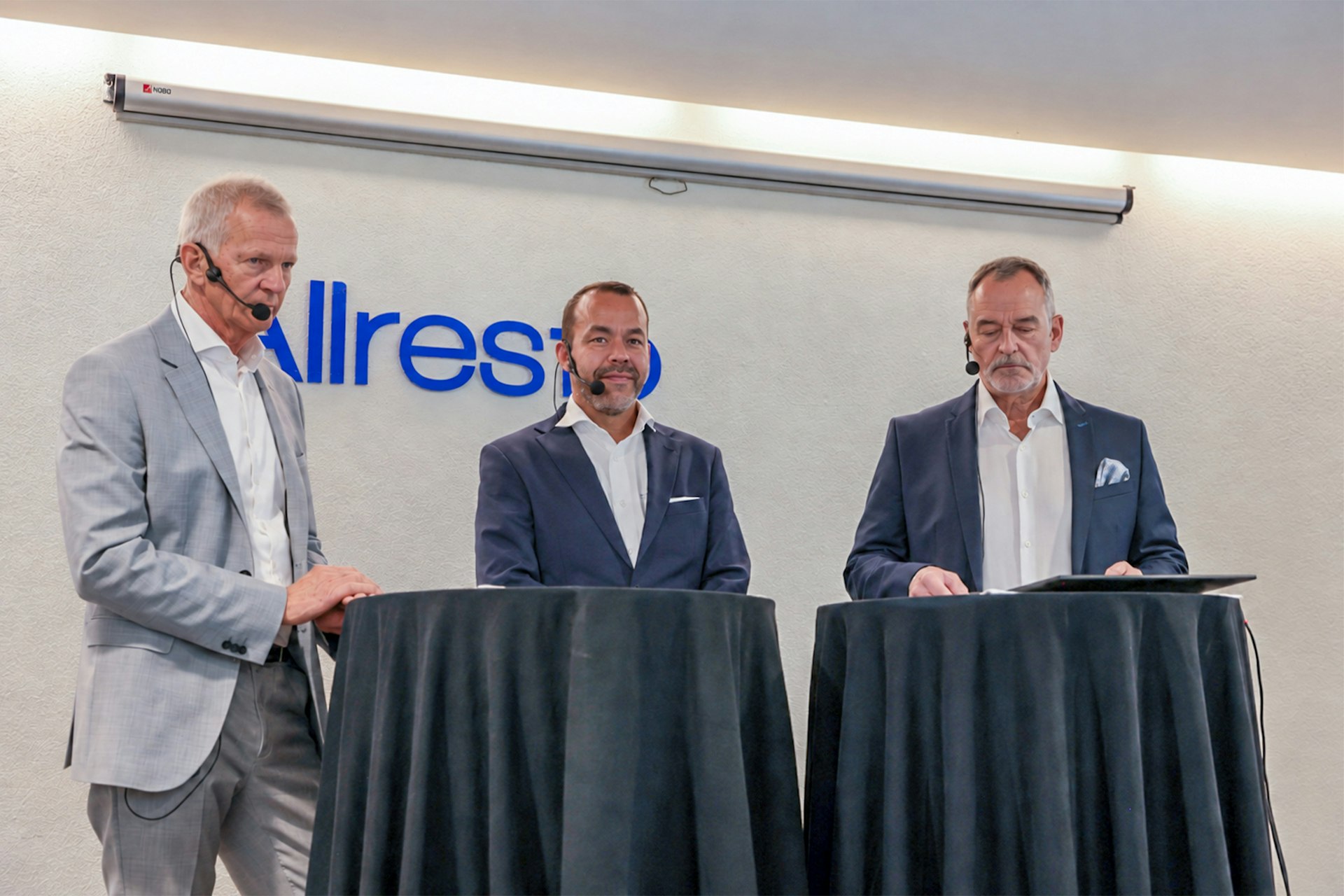
«HWZ on Air: stefanundstefan» – the HWZ podcast with Stefan Eggenberger and Stefan Vogler. In their conversations and with expert guests, the two examine key topics in communication. They analyse, comment, and offer practical guidance. Real-world examples are combined with academic knowledge to provide ideal support for everyday communication challenges. Sharp commentary included.
Special guest on this podcast from stefanundstefan®
Marc Wullschleger is a solicitor, trademark attorney VSP, and partner at Isler & Pedrazzini AG. His areas of practice include, among others, trademark law as well as the global monitoring and enforcement of trademark rights. He has many years of experience in combating counterfeiting and piracy across borders and has been president of STOP PIRACY since 2023.
Why brand piracy is accelerating
Counterfeit goods are no longer a marginal phenomenon. In addition to luxury items, medicines, machine parts and other products are also being counterfeited – in some cases with direct consequences for health and safety.
At the same time, digitalisation has further simplified business operations. Online shops can be set up quickly, production and distribution can be organised internationally, and successful products can be copied in a very short time.
AI is also intensifying this dynamic. It enables counterfeiters to create listings more quickly and to monitor markets. At the same time, it offers rights holders new opportunities to analyse platforms and to identify suspicious listings at an early stage.
When fakes become a social media phenomenon
However, technological possibilities alone do not explain why people purchase counterfeits. This is where another key focus of the conference comes in: which psychological, social and economic factors influence purchasing decisions?
Status, affiliation and the desire for a particular product all play a role in purchasing decisions, as does the price. At the same time, counterfeits can be downplayed or even portrayed as “cool” through social media and influencer advertising.
STOP PIRACY therefore uses these channels itself. Influencers are intended to reach younger target groups in particular and to demonstrate the risks associated with counterfeit products – without adopting a moralising tone.
What companies can do to combat counterfeiting
For Marc Wullschleger, three points are central: consistently securing intellectual property rights, monitoring relevant markets and platforms, and defining in advance how to respond in the event of counterfeiting.
This also includes collaboration with lawyers, providers and platforms. Forgeries do not stop at national borders. Effective countermeasures therefore require international cooperation, improved tools, and the ability to keep pace with the speed at which forgeries spread.
Key takeaways from the episode
Counterfeiting now also affects medicines, machine parts and other safety-critical products.
Social media and influencers can distort and influence purchasing decisions in favour of counterfeits.
Companies must secure and monitor intellectual property rights in relevant markets at an early stage.
International cooperation and swift responses are essential for effective action.
AI accelerates the spread of forgeries, but at the same time also assists in detecting and monitoring suspicious platforms and products.